Peel Back the Sticker: What Happens When Customers Realize Your SaaS Is Someone Else's Product
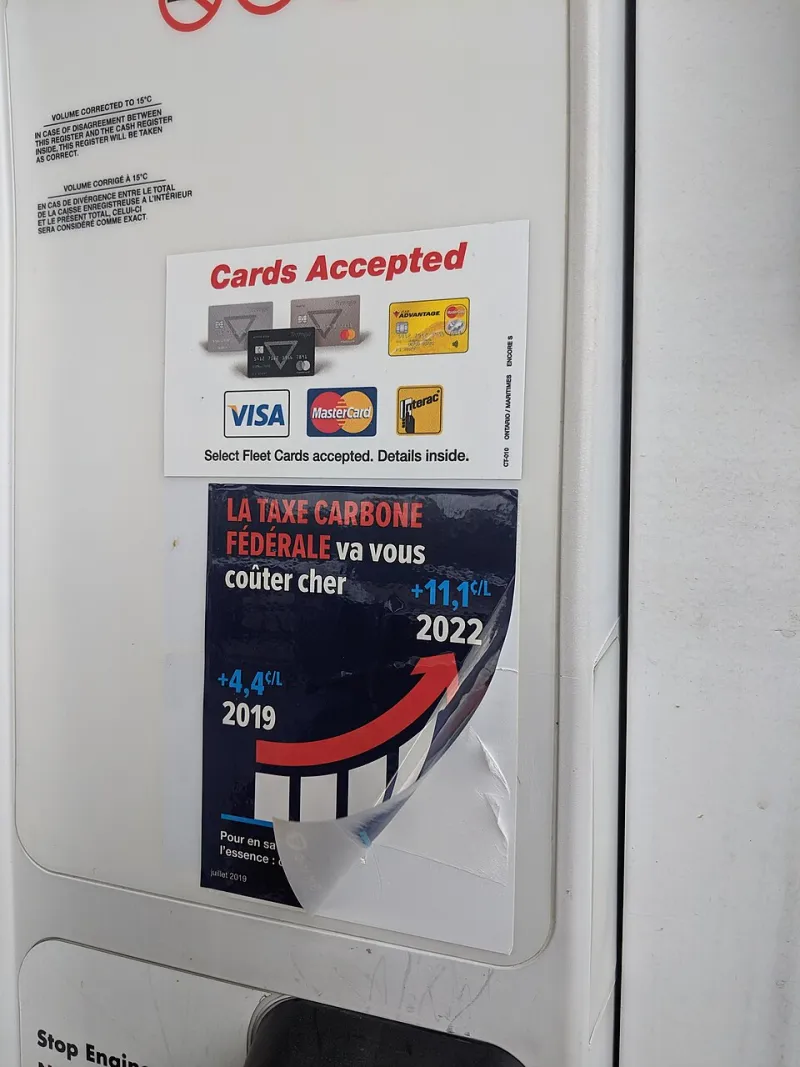
Photo: Sikander Iqbal, CC BY-SA 4.0, via Wikimedia Commons
There's a particular kind of dread that hits when a support ticket comes in with a screenshot attached — and the error message in that screenshot isn't yours. It's your upstream vendor's. Same fonts, same logo in the corner, same phrasing your customer has never seen because, well, you never shipped that UI. At that moment, your product isn't a product anymore. It's a sticker that's starting to peel.
Whitelabeling isn't new, and honestly, it isn't evil. Half the American economy runs on it. Your favorite boutique hotel's booking engine? Probably a reskin. That local bank's slick mobile app? Almost certainly built by a vendor in Atlanta or Salt Lake City you've never heard of. The question was never whether to build on someone else's rails — it's whether you're adding enough on top that the sticker is the least interesting thing about you.
The Margin Math Nobody Puts in the Pitch Deck
Here's the seductive pitch: spin up a wrapper around an established API, mark it up 4x, and you've got a SaaS company by Friday. Founders do this constantly, and some genuinely get away with it. The problem shows up in three places, usually in this order.
First, pricing. When your customer eventually finds the underlying tool — and they will, because your upstream vendor markets directly to your exact audience — they're going to do the math. You're charging $299 a month for something they can get for $79. Your only defense is that they're paying for convenience, curation, or a workflow the raw tool doesn't offer. If you can't articulate that value in one sentence, you don't have a business. You have a markup.
Second, support. When things break — and with third-party infrastructure, they break in ways you don't control — you're the one taking the angry phone call. But you can't fix it. You can only forward the ticket upstream and hope. Customers don't care about your vendor relationships. They care that their invoice export failed during tax season and nobody could tell them why.
Third, and this is the big one: trust. American consumers have gotten remarkably good at sniffing out veneer. One Reddit thread titled "PSA: [Your Product] is just [Vendor] with a logo" can undo eighteen months of content marketing.
When Wrapping Is Actually Smart
Let's be fair to the model, because plenty of great businesses are built this way. Wrapping someone else's infrastructure is legitimate when you're doing real work at the edges:
- You've built genuine workflow glue. If your product connects three upstream APIs into something none of them offer alone, you're a product, not a reskin.
- You own the customer relationship and the data. If your customers' history, preferences, and reporting live in your system — not just passed through — switching away from you means losing something.
- Your vertical expertise is the product. A generic invoicing API wrapped for independent HVAC contractors, with contractor-specific tax handling and dispatch scheduling? That's leverage. That's a real company.
- You could swap vendors without customers noticing. This is the acid test. If your product died tomorrow because your upstream vendor changed their terms, and your customers would feel it instantly, you don't own your business.
The Checklist Before You Ship the Sticker
Run your thin-veneer idea through these five questions before writing a line of landing page copy:
- Can I explain, honestly, what I add? Not "better UX." Specifically. What does a customer get from me that they can't get from the source?
- Is my margin defensible? Not just positive — defensible when a customer comparison-shops.
- What's my failure story? When the upstream API goes down, what do I tell customers, and does my SLA survive the honest answer?
- Do I own the data layer? If I switch vendors next year, does my product keep its memory?
- Am I embarrassed by the answer to any of the above? Be honest. The market will find out before your investors do.
The Reckoning Isn't Coming — It's Here
The tools to detect whitelabeled products have gotten absurdly good. DNS lookups, header analysis, even a customer asking a competitor's AI chatbot "what is this actually built on?" — the veneer is thinner than ever, and the audience is more curious than ever.
That's not a reason to never build on someone else's rails. Every SaaS company stands on infrastructure they didn't build. The reason is to build something worth peeling back the sticker for. If a customer lifts the corner of your brand and finds a vendor underneath, the discovery should be a shrug — "sure, that's the engine, but the car is why I'm here" — not a betrayal.
Leverage or house of cards. The difference is what happens after the peel.